Reinventing Work, Rediscovering Purpose: The Rise of Community-Driven Tech Hub
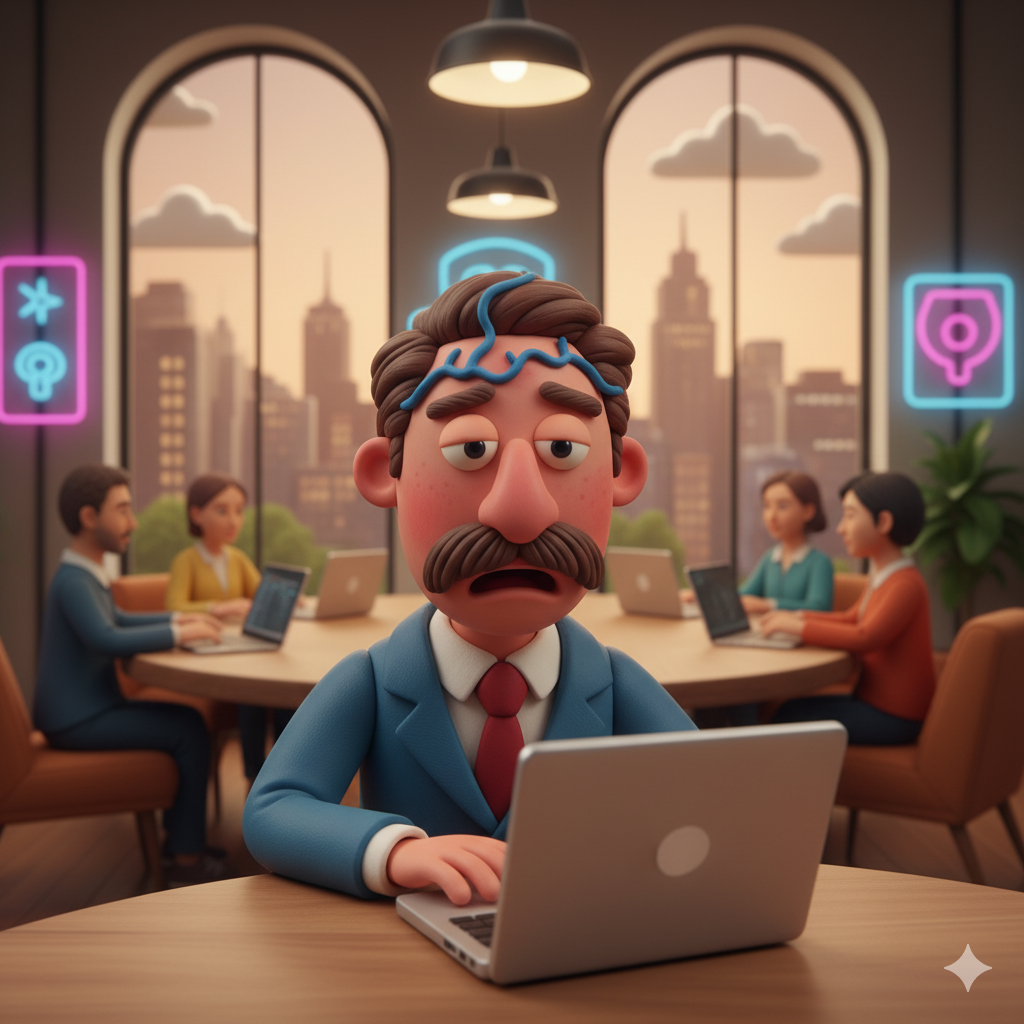
Recharging Passion, Not Just Devices: The New Era of IT Work–Life Harmony
“People don’t leave companies — they leave badly lit cubicles and the illusion of escape.” In 2025, as burnout reaches new peaks and competition for skilled talent intensifies, this phrase captures a striking truth. According to Deloitte’s 2025 Global Human Capital Trends, more than half of employees and leaders are worried about the shrinking boundary between human creativity and machine-driven work. Meanwhile, the SignalFire 2025 State of Tech Talent Report reveals that Europe’s technological geography is shifting fast, underscoring the growing importance of place and community.
For senior IT specialists, entrepreneurs, and digital nomads, the question is no longer “how many hours do I work?” or “where is my laptop plugged in?” but rather — “where do I belong, and how do I thrive there?” The movement from remote isolation to integrated, cluster-based collaboration is quietly redefining what professional fulfillment means in Europe’s modern tech landscape.
When “Freedom from the Office” Becomes an Illusion
For years, “location independence” was the ultimate professional dream — code from Bali, design from Lisbon, or lead projects from a Croatian villa. But many remote professionals are now reporting an unexpected paradox: the beaches are beautiful, the Wi-Fi strong, yet the workdays feel longer and lonelier. The absence of spontaneous interaction — those corridor chats, whiteboard debates, or coffee-break bursts of creativity — is eroding the human fabric of work.
As Allwork.Space recently highlighted, advanced technology can support balance, but it also risks deepening isolation and “technostress.” You may have escaped the office routine — yet remain chained to screens, disconnected from a sense of shared purpose.
Why Clusters and Hubs Are Quietly Outperforming Luxury Relocations
A more sustainable model is emerging: innovation clusters and collaborative ecosystems. These hubs — found across Europe from Tallinn to Bratislava, from Vilnius to Valencia — offer something that remote work alone cannot: proximity, serendipity, and belonging.
- Evidence from Deloitte: According to Deloitte’s study on digital innovation ecosystems, cities and clusters “attract talent, enable creativity, and encourage disruptive thinking.”
- Collaborative Value: A Deloitte analysis on healthcare ecosystems shows that trusted partnerships within clusters accelerate innovation and value creation.
- Geographic Evolution: SignalFire’s research confirms that “tech power centers” are decentralizing, with new hubs emerging across Central and Eastern Europe.
For professionals, this means that the best move may not be toward the most expensive city — but toward the most connected ecosystem. In regions like Slovakia, Poland, or the Baltics, one finds affordable living, growing tech networks, and the energy of emerging communities. The “Silicon Beach” dream is giving way to something more grounded — clusters where people collaborate, create, and recharge together.
Authentic Work–Life Integration, Not Just Balance
Balance implies opposing weights. Integration means harmony — aligning work, life, and purpose into a coherent rhythm. Professionals seeking long-term energy renewal can start here:
- 1. Reconnect with place and people: Join local innovation districts or coworking hubs. Pick them for collaboration, not luxury. Even one or two days per week in a dynamic environment can re-energize your mindset.
- 2. Redefine meaning, not hours: Schedule one hour weekly to build something outside your deliverables — brainstorm with peers, prototype, or cross-collaborate. These creative moments often spark deep professional renewal.
- 3. Build “reset rituals”: Use the physical transition — coffee with peers, a walk, or cycling home from your coworking hub — as signals between work and life. Place shapes emotion.
- 4. Practice boundary management: Remote work gave flexibility but blurred edges. Research suggests setting intentional limits — digital detox, structured “off” time, and community-anchored schedules — to sustain real balance.
Reinventing Professional Energy
In IT, reinvention isn’t only about skills — it’s about mindset. The modern professional shift looks like this:
- Mindset: From “I can work from anywhere” to “I can belong where my energy thrives.”
- Habit: Dedicate weekly time to connect with peers in physical clusters.
- Context: Choose hubs whose missions match your values — sustainability, innovation, human-centric tech.
- Energy Refill: Treat your hub as a recharge station for creativity and connection.
Why This Matters Now
The European tech landscape in 2025 is vibrant yet volatile. As Deloitte’s Technology Industry Outlook indicates, investment is growing — but retention and culture are decisive. SignalFire reports a ~50% drop in new-grad hiring and increasing reliance on experienced specialists. In this environment, both organizations and individuals need more than remote contracts — they need ecosystems that sustain creativity and connection.
The Contrast: Beach Laptop vs. Hub Community
- Beach Laptop: Work beside the waves, code till sunset — yet end the day wondering what truly mattered.
- Hub Community: Join peers in a local coworking space, co-create ideas, end the day with real conversation — and wake up with renewed motivation.
The second path offers something deeper: sustainable creativity and human connection. It helps professionals rediscover why they joined tech — and keeps them inspired to stay.
A Call to Reflection
If you’re an IT leader, founder, or globally mobile professional — pause. Where is your base? Where do you recharge not just your devices, but your sense of purpose?
The next time you think about “escape,” consider this: innovation hubs, meaningful clusters, and local communities aren’t the opposite of freedom — they’re the foundation for it. You can still travel, explore, and flex, but anchor yourself to ecosystems that nourish creativity and belonging.
The future of IT work–life harmony won’t be defined by scenery — but by the quality of the ecosystem you choose to grow within.